

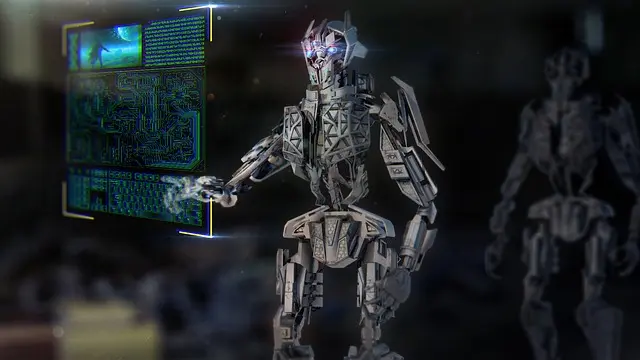
Hey there, tech enthusiasts! Ever wonder how fast our world is changing? It feels like every other day there's a new breakthrough, doesn't it? From smart assistants that anticipate our needs to machines creating incredible art, technology is constantly evolving and reshaping our daily lives. Today, we're diving deep into some of the most exciting innovations that are not just trending but are truly shaping tomorrow's world.
We'll explore the mind-bending capabilities of Generative AI, where creativity meets code, and peek into the quantum realm to understand the incredible potential of quantum computing. We'll also look at how tech is stepping up to tackle our planet's biggest challenges with sustainable solutions, and finally, we'll discuss the ever-important topic of cybersecurity in this rapidly advancing AI landscape. So, buckle up, because the future is now, and it's fascinating!
The Rise of Generative AI: From art creation to code generation, exploring the capabilities and implications of large language models.

(Image: Pixabay/@TyliJura)
Generative AI is one of those buzzwords that has truly earned its hype. We're talking about AI systems that can create original content, whether it's breathtaking digital art, compelling stories, or even functional computer code, all from simple text prompts. Large Language Models (LLMs) are at the heart of this revolution, processing vast amounts of data to understand context and generate human-like responses and creations. It's like having a super-powered assistant who can not only write your emails but also design your next marketing campaign!
The implications of this technology are massive, impacting industries from entertainment and marketing to software development and research. While it opens up incredible avenues for creativity and efficiency, it also brings important discussions about ethics, intellectual property, and the future of work. It’s a powerful tool that’s changing how we interact with technology and how we define creativity itself.
Quantum Computing Breakthroughs: Understanding the potential and current limitations of the next frontier in computation.

(Image: Pixabay/@geralt)
If Generative AI feels like magic, quantum computing is like stepping into a whole new dimension of computation. Unlike traditional computers that use bits representing 0s or 1s, quantum computers leverage "qubits" that can be both 0 and 1 simultaneously, thanks to mind-bending quantum phenomena like superposition and entanglement. This allows them to perform complex calculations at speeds unimaginable by today's supercomputers, unlocking solutions to problems that are currently impossible to solve.
The potential applications are astounding: developing new drugs and materials, cracking complex encryption, optimizing logistics on a global scale, and revolutionizing AI itself. However, quantum computing is still in its early stages. Building stable and scalable quantum computers is incredibly challenging, requiring extreme cold and isolation. We're witnessing significant breakthroughs, but it will likely be some time before quantum machines are readily available for everyday use. Still, the promise of this next frontier in computation is undeniably thrilling.
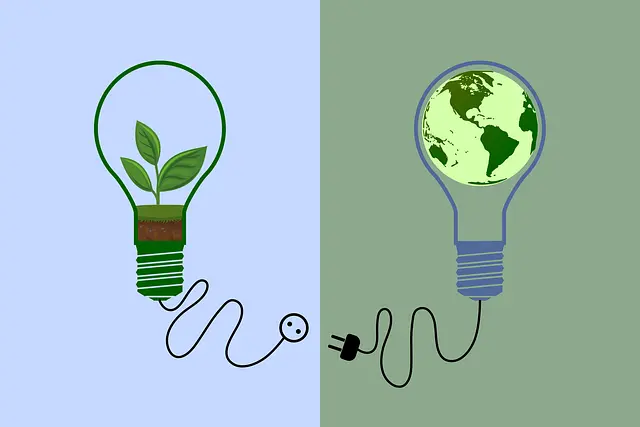
Sustainable Tech Solutions: How innovation is addressing environmental challenges, from green energy to smart city initiatives.
(Image: Pixabay/@RosZie)
Amidst all the talk of advanced AI and quantum leaps, it’s refreshing to see technology also being harnessed to tackle one of humanity's most pressing issues: environmental sustainability. From developing more efficient solar panels and wind turbines to creating smart grids that optimize energy distribution, green energy technologies are at the forefront. Innovations in battery storage are making renewable energy more reliable, paving the way for a future less reliant on fossil fuels.
Beyond energy, tech is transforming urban landscapes into "smart cities." These initiatives use IoT sensors and data analytics to manage resources more efficiently, reduce waste, optimize traffic flow, and improve air quality. Think smart lighting that adjusts to pedestrian presence, waste management systems that signal when bins are full, or intelligent irrigation for public parks. Technology isn't just about speed and convenience; it's becoming a crucial ally in building a more sustainable and resilient planet.
Cybersecurity in the AI Era: New threats and advanced defenses in a world increasingly reliant on artificial intelligence.

(Image: Pixabay/@dexmac)
As our world becomes more interconnected and reliant on AI, the importance of cybersecurity skyrockets. AI, while offering incredible benefits, also presents new challenges and threats to digital security. Malicious actors can leverage AI to create more sophisticated phishing attacks, automate malware generation, or even conduct highly targeted social engineering scams. The sheer volume and complexity of these AI-powered attacks demand equally advanced defenses.
Thankfully, AI is also a powerful tool for cybersecurity professionals. Machine learning algorithms can analyze vast amounts of data in real-time to detect anomalies, identify emerging threats, and predict potential vulnerabilities before they can be exploited. AI-powered security systems can learn from attacks, adapt their defenses, and even automate responses, creating a more proactive and resilient security posture. It's an ongoing arms race, where AI on both sides is pushing the boundaries of what's possible in digital warfare and defense.
Conclusion
Wow, what a journey through the cutting edge of technology! From the creative explosion of Generative AI to the mind-bending potential of quantum computing, and from vital sustainable tech solutions to the ever-present challenge of cybersecurity in an AI-driven world, it's clear that innovation is moving at an unprecedented pace. These advancements aren't just isolated developments; they're interconnected threads weaving the fabric of our future.
The impact of AI and these technological breakthroughs will undoubtedly continue to shape how we live, work, and interact with the world around us. While they bring incredible opportunities for progress, efficiency, and solving grand challenges, they also demand careful consideration of ethical implications, security, and ensuring these advancements benefit all of humanity. It's an exciting time to be alive, witnessing the dawn of a new era defined by intelligent machines and groundbreaking innovation!
FAQs
What is Generative AI?
Generative AI refers to artificial intelligence systems that can create new, original content, such as images, text, audio, or code, based on patterns learned from existing data. Large Language Models (LLMs) are a prime example of Generative AI.
How is quantum computing different from classical computing?
Classical computers use bits (0s or 1s) to process information, while quantum computers use qubits, which can exist in multiple states simultaneously (superposition) and be linked together in a phenomenon called entanglement. This allows quantum computers to perform certain calculations exponentially faster.
What are some examples of sustainable tech solutions?
Sustainable tech solutions include advancements in renewable energy sources like solar and wind power, smart grid technologies for efficient energy distribution, electric vehicles, precision agriculture, and smart city initiatives that optimize resource use and reduce waste.
How does AI help in cybersecurity?
AI assists cybersecurity by analyzing vast datasets to detect anomalies, identify malware patterns, predict emerging threats, and automate responses to attacks. It helps in real-time threat detection, vulnerability management, and improving overall security posture against sophisticated cyber threats.