


Introduction
Augmented Reality (AR) has seen a remarkable rise in popularity, with applications spanning across gaming, education, and healthcare. This technology overlays digital information onto the real world, offering immersive experiences and enhancing learning and medical practices.
(Image: Pixabay/@Flame_Fox_Games)
The Rise of Augmented Reality
In gaming, AR has revolutionized the way players interact with their environment, promoting physical activity and social engagement. Educational institutions have adopted AR to make learning more engaging and interactive, allowing students to visualize complex concepts in a simplified manner. In healthcare, AR is used for surgical simulations, patient education, and rehabilitation therapies, improving medical outcomes and enhancing patient care.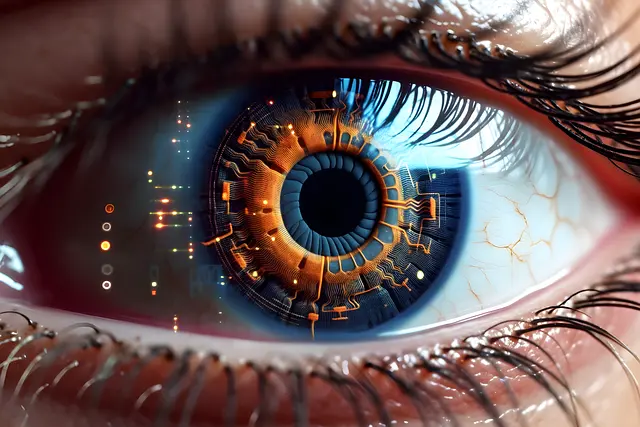
(Image: Pixabay/@Cambridge_Spark)
Machine Learning Breakthroughs
Machine learning advancements have led to significant breakthroughs in various industries. From fraud detection algorithms that enhance security measures to personalized recommendation systems that cater to individual preferences, AI-driven solutions are shaping the future of technology and innovation.
(Image: Pixabay/@MichaelWuensch)
Blockchain Technology Shaping Industries
The adoption of blockchain technology has transformed sectors such as finance, healthcare, and supply chain management. By offering secure and decentralized transactions, blockchain has paved the way for transparent and efficient processes in financial transactions, medical record-keeping, and product traceability.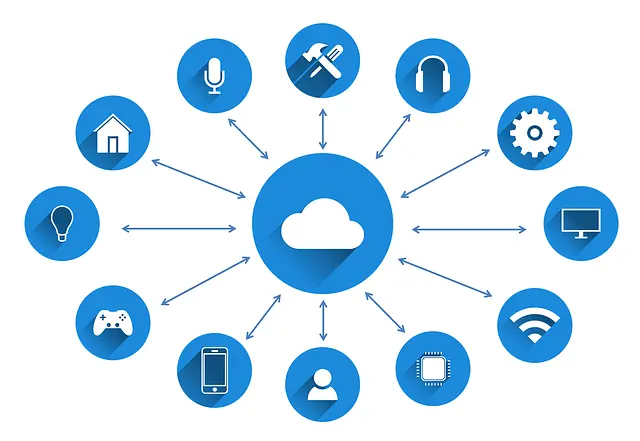
(Image: Pixabay/@Tumisu)
Smart Cities of Tomorrow
The integration of Internet of Things (IoT) technology is revolutionizing urban life, creating smart cities that are interconnected and sustainable. IoT devices enable efficient resource management, traffic control, and public services, enhancing the quality of life for residents and promoting environmental sustainability.Conclusion
The future of technology is evolving at a rapid pace, with innovations such as AR, machine learning, blockchain, and IoT reshaping industries and daily life. Embracing these technological advancements not only enhances efficiency but also opens up new possibilities for growth and development in various sectors.FAQs
What are some practical applications of augmented reality?
Augmented reality is commonly used in gaming, education, healthcare, retail, and marketing industries for interactive experiences, training simulations, medical procedures, product visualization, and customer engagement.
How does blockchain ensure data security in financial transactions?
Blockchain technology utilizes cryptographic principles and decentralized ledgers to store transaction data securely, making it virtually immutable and resistant to hacking or tampering, ensuring the integrity and transparency of financial transactions.
Why is IoT integration crucial for building smart cities?
IoT integration enables real-time data collection and analysis, creating smart infrastructure that enhances resource management, public services, and environmental sustainability in urban environments, ultimately improving the quality of life for residents.
How is machine learning used for personalized recommendations?
Machine learning algorithms analyze user behavior, preferences, and historical data to generate personalized recommendations for products, services, content, and advertisements, enhancing user experience and engagement across various platforms.
What are the key benefits of integrating AI technologies in healthcare?
AI technologies in healthcare facilitate disease diagnosis, treatment planning, patient monitoring, and drug discovery, improving clinical outcomes, reducing medical errors, optimizing workflow efficiency, and enhancing patient care quality and safety.